
How to Choose Flooring for a House or Apartment: Wood, Microcement and Porcelain Stoneware
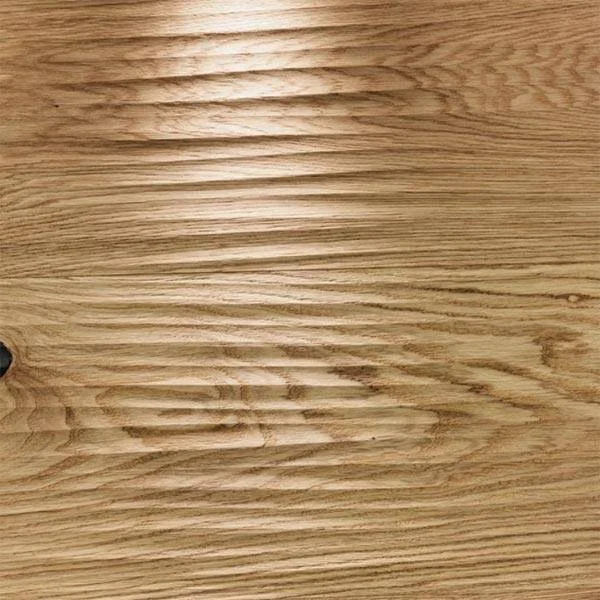
Wood, microcement or porcelain stoneware: comparing character, practicality, maintenance and the role of flooring in an interior.
Today I want to talk about flooring—not as a product separated from the interior, but as an important part of a house’s architecture and the way a space feels.
Flooring as Part of Architecture and Interior Design
Floor finishes can feel cosy, restrained, warm or visually cool. But every finish requires a certain kind of care. When we develop the architecture of a house, its exterior design and its interior, we always consider the floor together with the layout, light, furniture and the overall character of the space. It is not simply a material under your feet; it is one of the largest surfaces in a home.
That is why, in my opinion, choosing a floor only from a photograph or by price is a mistake. You need to understand how you live, what temperature and humidity the house will have, whether you are prepared for regular maintenance and how you feel about the natural ageing of a material.
Wood Flooring in an Interior
If you want wood on the floor, you should understand that it is probably one of the more demanding materials. And when timber cracks or changes shape, it does not always mean that the seller was bad or supplied a poor-quality product.
Of course, timber must be properly sourced, dried and manufactured. I am not talking about the cheapest products here, but about materials of medium and high quality. Even good timber, however, remains a living material and reacts to its environment.
If you keep the temperature at home excessively high, dry the air too much, or open the windows during heavy rain and then rapidly dry the entire space, timber may behave badly. Sudden changes in humidity and temperature affect its dimensions. A wood floor therefore needs not only professional installation, but also a stable indoor climate after you move in.
Do You Need a Skirting Board?
You should also pay attention to the skirting detail. Its appearance can vary, but the perimeter expansion gap must be properly designed and covered. I have recently seen videos suggesting that this detail can almost be omitted and that only a very small gap is needed for timber. I would not recommend that.
There are concealed aluminium skirting systems that are almost invisible. You can also use a low, thin skirting board in the colour of the wall. It will not attract attention, but it will protect the bottom of the wall during cleaning and allow the floor to move correctly. Do not ignore this junction, and always confirm the installation requirements with the flooring manufacturer.
Caring for Mafi Parquet
One of my favourite parquet manufacturers is the Austrian brand Mafi. Its timber is beautiful, tactile and pleasant, but it needs the right care.
It is important not to invent a universal rule such as ‘oil it every year’. The manufacturer recommends an initial treatment after installation, while ongoing care depends on the exact finish, the intensity of use and the condition of the floor. Special products are used for routine cleaning, and the need for additional oiling should be determined from the instructions and, ideally, with a specialist.
This can take some effort, but that is the price of having a natural material that is genuinely pleasant to live with. Before buying, always ask for written maintenance instructions and decide whether you are ready to follow them.
Microcement in Interior Design
We use microcement quite often in our interior projects. At the same time, I often hear from people that they dislike it when it scratches, cracks or develops other marks. It is important to separate the quality of the material, the quality of the substrate and the natural life of the surface.
Microcement is a general name, and there are many systems, manufacturers, formulations and quality levels. A few years ago in Kyiv, you could buy microcement installed for around UAH 600 per square metre, or for UAH 4,000. Both were called microcement, but the resulting quality was completely different.
Buy this material from proven suppliers and brands, and have it applied by specialists who follow the complete system: substrate preparation, reinforcement, layers and protective finish. I would not try to save money on this part of a project.
When it comes to small scratches and signs of use, I see microcement as a living material. If the marks do not cause a technical problem and the surface remains safe, the history that appears on it can be beautiful. It is a little like a stainless-steel kitchen worktop: there is not much point in trying to keep it absolutely new forever.
Correctly specified and applied microcement can itself be very strong. It can work in living spaces, garages and on many other surfaces. There are dedicated systems for wet areas and swimming pools, but you cannot select them simply because they are called ‘microcement’: the purpose of the complete system and the manufacturer’s technical requirements must be checked.
Large-Format Porcelain Stoneware
We now use large-format porcelain stoneware less frequently and mainly in bathrooms. We hardly use it in living spaces because even with a large format there are still joints, and I do not always like the way they divide the space.
In terms of practicality, however, porcelain stoneware is probably one of the strongest and most predictable materials. If you want a surface that is highly resistant to everyday use, it is one of the best options.
You still need to choose the correct surface, thickness, performance class and intended use. Slip resistance matters in wet areas; a good substrate and a well-planned layout matter for large slabs; and underfloor heating needs the correct build-up.
Decorative Flooring
There are many other decorative solutions: small tiles, mosaics, timber modules and end-grain wood flooring. It is sometimes associated with Japanese interiors, but the correct general term is end-grain flooring—small blocks laid with the end of the wood fibre facing upward.
Historically, these floors were used where high wear resistance was required. They can be very expressive and can age beautifully. If you are worried about walking on such a floor in heels, first consider how often anyone actually wears heels at home. A home allows more experimentation, as long as the technical solution is suitable for the particular room.
How to Choose Flooring for Your Home
For me, the right choice begins not with the name of a material, but with your way of life. Consider the area, the purpose of the room, children or pets, humidity, underfloor heating, cleaning habits and your attitude towards natural signs of age.
Do not be guided only by a low price for the product or installation. Ask for samples, technical data, warranty conditions, substrate requirements and maintenance instructions. Clarify who is responsible for junctions between different finishes and how the perimeter detail will be built. In a good interior design project, these decisions are included in the working drawings instead of being improvised on site at the last moment.
Our studio develops private-house architecture, exterior and interior design, space-planning solutions and complete sets of working drawings. We work on projects worldwide remotely, and for large projects we can travel to your country as an additional option.
If you still have questions about flooring, or if you are planning the architecture and interior design of your house or apartment, you can write to me on Instagram. I try to answer every question. Choose a floor not only with your eyes; think in advance about how it will live with you.
What is the best flooring for a private house?
There is no universal answer. The right choice depends on the room, humidity, underfloor heating, children or pets, maintenance expectations and your attitude towards natural ageing.
Why can a wood floor crack or move?
Timber reacts to sudden changes in temperature and humidity. Even a high-quality product needs correct installation, an expansion gap and a stable indoor climate.
Can microcement be used in a bathroom or swimming pool?
Yes, but only as a complete system specified for a wet area or pool. Substrate preparation, every application layer and the protective finish are critical.
Do you need a skirting board with a wood floor?
Yes. The perimeter expansion gap must be designed and covered correctly. The detail can use concealed aluminium or a thin skirting board painted to match the wall.
Which is more practical: microcement or porcelain stoneware?
Porcelain stoneware is generally more predictable and resistant in everyday use. Microcement creates a more continuous visual surface, but depends more heavily on the system, substrate, application and acceptance of natural wear.
Planning the architecture of a house or a new interior? Contact us to discuss your project. We work remotely worldwide and can travel to your country for a large project as an additional option.
